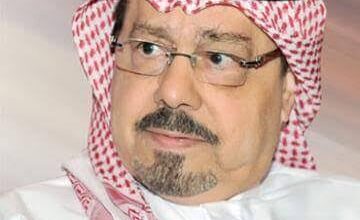
دراسة تحليلية باللغتين العربية والإنجليزية لخطاب المفكر علي محمد الشرفاء لوزير خارجية مصر
دراسة تحليلية باللغتين العربية والإنجليزية لخطاب المفكر علي محمد الشرفاء لوزير خارجية مصر

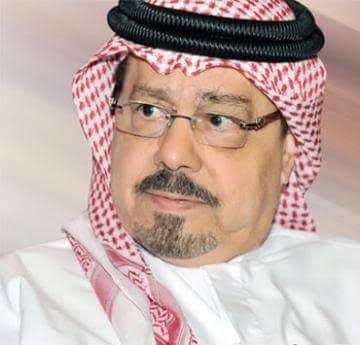
دراسة تحليلية باللغتين العربية والإنجليزية لخطاب المفكر علي محمد الشرفاء لوزير خارجية مصر
إعداد:
د. معتز صلاح الدين
مستشار المركز الديمقراطي لدراسات الشرق الأوسط بنورث كارولينا
*مقدمة*
يمثل الخطاب الذي وجهه المفكر العربي الأستاذ علي محمد الشرفاء الحمادي إلى وزير الخارجية المصري بدر عبد العاطي وثيقة فكرية وسياسية تعكس رؤية استراتيجية متكاملة تتعلق بمستقبل الأمن القومي العربي وآليات تحقيقه في ظل التحولات العميقة التي يشهدها النظام الإقليمي في الشرق الأوسط.
وقد جاء هذا الخطاب في أعقاب الاجتماع غير العادي لمجلس جامعة الدول العربية على المستوى الوزاري، والذي تناول التطورات المتسارعة في المنطقة العربية، وما يحيط بها من تهديدات أمنية وسياسية متزايدة. وقد لفت انتباه المفكر الاستاذ على الشرفاء في كلمة وزير الخارجية المصري دعوته إلى تشكيل قوة عربية مشتركة للتعامل مع التحديات الراهنة والمستقبلية التي تواجه الدول العربية.
ومن هنا، أعاد المفكر الاستاذ علي محمد الشرفاء طرح مشروعه الذي سبق أن قدمه قبل سنوات لأمين عام جامعة الدول العربية الأسبق ، والذي يتضمن مقترح إنشاء مجلس الأمن القومي العربي بوصفه إطارا مؤسسيا للتخطيط الاستراتيجي والتنسيق العسكري بين الدول العربية، بما يضمن تعزيز القدرة الدفاعية الجماعية وحماية المصالح العليا للأمة العربية.
*أولًا: السياق السياسي والإقليمي للخطاب*
لا يمكن فهم دلالات هذا الخطاب بعيدًا عن السياق السياسي والإقليمي الذي تمر به المنطقة العربية في السنوات الأخيرة. فقد شهدت المنطقة سلسلة من الأزمات والصراعات المسلحة والتوترات السياسية، إضافة إلى تصاعد التدخلات الخارجية في الشؤون العربية.
وتبرز في هذا السياق عدة عوامل أساسية دفعت إلى إعادة طرح فكرة الأمن القومي العربي المشترك، من بينها:
أ.تزايد التهديدات الأمنية الإقليمية التي تواجه عددًا من الدول العربية نتيجة الصراعات المسلحة والتوترات الحدودية.
ب.تنامي التدخلات الدولية والإقليمية في الشؤون الداخلية للدول العربية.
ج.تراجع مستوى التنسيق العربي المشترك في العديد من القضايا الاستراتيجية.
د.الحاجة إلى منظومة دفاعية جماعية قادرة على مواجهة التحديات الأمنية المعاصرة.
وفي ضوء هذه المعطيات، يطرح الكاتب والمفكر الاستاذ علي محمد الشرفاء رؤية تقوم على ضرورة الانتقال من مرحلة الخطاب السياسي التقليدي إلى مرحلة العمل المؤسسي المنظم في مجال الأمن القومي العربي.
*ثانيًا: البعد الاستراتيجي لفكرة مجلس الأمن القومي العربي*
يقوم المشروع الذي يطرحه علي محمد الشرفاء على فكرة إنشاء مجلس الأمن القومي العربي كهيئة استراتيجية عليا تتولى التخطيط العسكري والأمني المشترك بين الدول العربية.
ويرتكز هذا المجلس المقترح على عدة أهداف استراتيجية رئيسية، من أبرزها:
1. تفعيل معاهدة الدفاع العربي المشترك
يشير الخطاب إلى أن الدول العربية وقعت منذ عقود على معاهدة الدفاع العربي المشترك، إلا أن هذه المعاهدة لم تُفعّل بالشكل الكافي على أرض الواقع. ومن هنا يرى الشرفاء أن إنشاء مجلس الأمن القومي العربي يمكن أن يشكل الإطار التنفيذي القادر على تحويل هذه المعاهدة إلى منظومة عمل حقيقية.
2. تحقيق التكامل العسكري العربي
يقترح المشروع وضع آليات عملية لتحقيق التكامل العسكري بين الدول العربية، بما يشمل:
تعزيز التعاون بين الجيوش العربية.
وتبادل الخبرات العسكرية والتقنية.
مع تطوير نظم الاتصال والتنسيق بين القيادات العسكرية.
ويمثل هذا التوجه محاولة لبناء قدرة دفاعية عربية جماعية قادرة على التعامل مع التحديات الأمنية المشتركة.
3. تطوير التخطيط الاستراتيجي المشترك
يتولى المجلس المقترح مهمة إعداد الخطط الاستراتيجية للتعامل مع الأزمات والتهديدات المحتملة، سواء كانت تهديدات عسكرية مباشرة أو تحديات أمنية غير تقليدية.
كما يشمل ذلك وضع سيناريوهات للتعامل مع حالات الاعتداء على أي دولة عربية، أو التدخل لاحتواء النزاعات بين الدول العربية نفسها قبل أن تتطور إلى صراعات مسلحة.
*ثالثًا: آليات العمل المقترحة في المشروع*
يقدم خطاب علي محمد الشرفاء تصورًا عمليا لآليات عمل مجلس الأمن القومي العربي، ويمكن تلخيصها في عدة محاور أساسية:
1. التنسيق العسكري بين الدول العربية
يقترح المشروع إقامة شبكة اتصال وتنسيق دائم بين القيادات العسكرية في الدول العربية، بما يسمح بتبادل المعلومات والخبرات وتنسيق المواقف في مواجهة التحديات الأمنية.
2. المناورات العسكرية المشتركة
يتضمن المشروع إجراء مناورات عسكرية مشتركة بصورة دورية بين الجيوش العربية، بما يسهم في:
تعزيز جاهزية القوات المسلحة العربية.
رفع مستوى التنسيق العملياتي بين الجيوش.
التعرف على قدرات وأنظمة التسليح لدى مختلف الجيوش العربية.
3. برامج التدريب العسكري المشترك
يشير المشروع إلى أهمية تنظيم برامج تدريب مشتركة للضباط وضباط الصف والجنود، سواء في الكليات العسكرية أو عبر برامج تبادل الخبرات بين الدول العربية.
ويمثل ذلك خطوة مهمة نحو رفع الكفاءة المهنية للقوات المسلحة العربية.
*رابعًا: البعد المؤسسي والتنظيمي للمقترح*
لا يقتصر مشروع مجلس الأمن القومي العربي على الجانب العسكري فقط، بل يتضمن بناء هيكل مؤسسي متكامل يضمن استمرارية العمل وتطويره.
ومن أبرز عناصر هذا الهيكل المؤسسي:
1. الأمانة العامة للمجلس
يقترح المشروع إنشاء أمانة عامة دائمة لمجلس الأمن القومي العربي يكون مقرها في جامعة الدول العربية، وتتولى مهام التنسيق الإداري والتنظيمي وإعداد التقارير الدورية عن أعمال المجلس.
2. نظام التناوب في قيادة المجلس
يقترح الخطاب اعتماد نظام التناوب الأبجدي بين الدول العربية في اختيار الأمين العام للمجلس، بحيث تتاح الفرصة لكل دولة عربية لترشيح أحد كوادرها القيادية لتولي هذا المنصب لفترة محددة لا تتجاوز ثلاث سنوات.
ويهدف هذا النظام إلى تحقيق العدالة في توزيع المسؤوليات وتعزيز روح الشراكة بين الدول العربية.
3. العلاقة مع مجلس الدفاع العربي
يقوم مجلس الأمن القومي العربي المقترح بإعداد التوصيات والخطط الاستراتيجية، على أن تُرفع هذه التوصيات إلى مجلس الدفاع العربي لاعتمادها وإقرار جدول زمني لتنفيذها.
*خامسًا: القراءة الفكرية والسياسية للخطاب*
يعكس خطاب الكاتب والمفكر الاستاذ على محمد الشرفاء عددًا من الأبعاد الفكرية والسياسية المهمة، من أبرزها:
1. إحياء فكرة التضامن العربي
يؤكد الخطاب على أهمية استعادة مفهوم التضامن العربي، ولكن في إطار عملي ومؤسسي يتجاوز الشعارات السياسية التقليدية.
2. نقد حالة التشرذم العربي
يتضمن الخطاب نقدًا واضحًا لحالة الانقسام التي تعاني منها الدول العربية، والتي أدت إلى إضعاف قدرتها على مواجهة التحديات المشتركة.
ويشير الكاتب والمفكر الاستاذ على الشرفاء إلى أن الصراعات الكلامية والشعارات غير المدعومة بإجراءات عملية كانت من أسباب إهدار فرص تاريخية لتعزيز التكامل العربي.
3. التحذير من المخاطر الاستراتيجية
يحذر الخطاب من استمرار حالة الضعف العربي في ظل عالم يتجه نحو تشكيل تكتلات إقليمية قوية، ما قد يؤدي إلى تراجع القدرة العربية على حماية المصالح الاستراتيجية.
*سادسًا: الدلالات الاستراتيجية للخطاب*
يحمل هذا الخطاب عدة دلالات استراتيجية مهمة يمكن تلخيصها في النقاط التالية:
الدعوة إلى بناء منظومة أمن قومي عربي جماعي.
التأكيد على أن تحقيق الأمن العربي يتطلب تكاملًا عسكريًا واستراتيجيًا بين الدول العربية.
إبراز الحاجة إلى مؤسسات عربية فاعلة قادرة على اتخاذ قرارات استراتيجية وتنفيذها.
الدعوة إلى الانتقال من مرحلة الشعارات السياسية إلى مرحلة العمل المؤسسي.
*كلمة ختامية*
يمكن النظر إلى خطاب المفكر علي محمد الشرفاء بوصفه مبادرة فكرية استراتيجية تهدف إلى إعادة طرح قضية الأمن القومي العربي في إطار مؤسسي عملي. فهو لا يكتفي بالتشخيص السياسي لحالة الضعف العربي، بل يقدم تصورًا متكاملًا لإنشاء منظومة دفاع عربي مشترك تقوم على التخطيط الاستراتيجي والتنسيق العسكري والتعاون المؤسسي.
ورغم أن تنفيذ مثل هذا المشروع يواجه تحديات سياسية واقتصادية متعددة، فإن أهمية هذا الطرح تكمن في أنه يفتح باب النقاش حول ضرورة بناء نظام عربي للأمن الجماعي قادر على حماية مصالح الأمة العربية وصون سيادتها في ظل التحولات المتسارعة التي يشهدها العالم
Analytical Study of the Discourse of the Thinker Ali Mohammed Al-Sharafaa Addressed to the Egyptian Minister of Foreign Affairs
Prepared by:
Dr. Moataz Salah El-Din
Advisor, Democratic Center for Middle East Studies
Introduction
The message addressed by the Arab thinker Ali Mohammed Al-Sharafaa Al-Hammadi to the Egyptian Minister of Foreign Affairs Badr Abdelatty represents an intellectual and political document reflecting an integrated strategic vision concerning the future of Arab national security and the mechanisms for achieving it amid the profound transformations currently reshaping the regional order in the Middle East.
This discourse came in the aftermath of the extraordinary meeting of the Council of the League of Arab States at the ministerial level, which addressed the rapidly evolving developments in the Arab region and the increasing political and security threats surrounding it. The thinker was particularly attentive to the Egyptian foreign minister’s call for the formation of a joint Arab force capable of addressing the current and future challenges facing Arab states.
In response, Ali Mohammed Al-Sharafaa revisited a proposal he had previously submitted several years earlier to the former Secretary-General of the Arab League. The proposal calls for the establishment of an Arab National Security Council as an institutional framework for strategic planning and military coordination among Arab states, with the aim of strengthening collective defense capabilities and protecting the higher interests of the Arab world.
First: The Political and Regional Context of the Discourse
The significance of this discourse cannot be understood outside the broader regional political context experienced by the Arab region in recent years. The region has witnessed a series of crises, armed conflicts, and political tensions, along with increasing external interventions in Arab affairs.
Several factors have contributed to the renewed discussion of collective Arab national security, including:
The rise of regional security threats facing several Arab states due to armed conflicts and border tensions.
Increasing international and regional intervention in the internal affairs of Arab countries.
A decline in the level of coordinated Arab action on several strategic issues.
The urgent need for a collective defense system capable of addressing contemporary security challenges.
In light of these developments, Ali Mohammed Al-Sharafaa proposes a vision that calls for moving beyond traditional political rhetoric toward structured institutional action in the field of Arab national security.
Second: The Strategic Dimension of the Arab National Security Council Proposal
The project proposed by Al-Sharafaa is based on the establishment of an Arab National Security Council as a supreme strategic body responsible for joint military and security planning among Arab states.
This proposed council would pursue several key strategic objectives:
1. Activating the Joint Arab Defense Treaty
The discourse notes that Arab states signed the Joint Arab Defense Treaty decades ago; however, the treaty has not been effectively implemented in practice.
According to Al-Sharafaa, the creation of an Arab National Security Council could provide the executive framework necessary to transform the treaty into an effective operational system.
2. Achieving Arab Military Integration
The proposal suggests practical mechanisms to promote military integration among Arab states, including:
Enhancing cooperation between Arab armed forces.
Exchanging military and technical expertise.
Developing communication and coordination systems among military leaderships.
This approach aims to build a collective Arab defense capability capable of addressing shared security challenges.
3. Developing Joint Strategic Planning
The proposed council would also be responsible for preparing strategic plans to address potential crises and threats, whether direct military threats or non-traditional security challenges.
This would include preparing scenarios to respond to aggression against any Arab state and intervening diplomatically or strategically to contain disputes between Arab states before they escalate into armed conflicts.
Third: Proposed Operational Mechanisms
Al-Sharafaa’s discourse presents a practical framework for the operational mechanisms of the proposed Arab National Security Council.
These mechanisms include:
1. Military Coordination Among Arab States
The project proposes establishing a permanent communication and coordination network among Arab military leaderships to facilitate information exchange, expertise sharing, and coordinated responses to security challenges.
2. Joint Military Exercises
The proposal also includes the organization of regular joint military exercises among Arab armed forces in order to:
Enhance the readiness of Arab military forces.
Improve operational coordination between armies.
Increase mutual understanding of different military systems and capabilities.
3. Joint Military Training Programs
The project emphasizes the importance of joint training programs for officers, non-commissioned officers, and soldiers through military academies and exchange programs among Arab states.
Such initiatives would significantly contribute to improving the professional competence of Arab armed forces.
Fourth: Institutional and Organizational Structure of the Proposal
The proposed Arab National Security Council is not limited to military cooperation but includes the development of a comprehensive institutional framework to ensure continuity and effectiveness.
Key elements of this structure include:
1. General Secretariat of the Council
The proposal suggests establishing a permanent general secretariat for the Arab National Security Council headquartered at the League of Arab States. The secretariat would be responsible for administrative coordination and preparing periodic reports on the council’s activities.
2. Rotational Leadership System
The discourse proposes adopting an alphabetical rotational system among Arab states for appointing the Secretary-General of the council.
Under this system, each Arab state would have the opportunity to nominate one of its senior officials to serve for a limited term not exceeding three years.
The objective is to ensure fairness in the distribution of responsibilities and strengthen the spirit of partnership among Arab states.
3. Relationship with the Arab Defense Council
The proposed Arab National Security Council would be responsible for preparing strategic recommendations and plans, which would then be submitted to the Arab Defense Council for approval and implementation according to a defined timeline.
Fifth: Intellectual and Political Reading of the Discourse
The discourse of Ali Mohammed Al-Sharafaa reflects several important intellectual and political dimensions.
1. Reviving the Idea of Arab Solidarity
The discourse emphasizes the need to revive the concept of Arab solidarity, but within a practical institutional framework that goes beyond traditional political rhetoric.
2. Critique of Arab Fragmentation
The discourse presents a clear critique of the divisions affecting Arab states, which have weakened their ability to confront shared challenges.
Al-Sharafaa argues that rhetorical conflicts and slogans unsupported by practical policies have led to the loss of historic opportunities for strengthening Arab integration.
3. Warning of Strategic Risks
The discourse warns against the continuation of Arab weakness in a world increasingly shaped by powerful regional blocs, which may reduce the Arab world’s ability to protect its strategic interests.
Sixth: Strategic Implications of the Discourse
The discourse carries several important strategic implications:
A call for building a collective Arab national security system.
Emphasis on the necessity of military and strategic integration among Arab states.
Highlighting the need for effective Arab institutions capable of making and implementing strategic decisions.
Calling for a shift from political slogans to institutional action.
Concluding Remarks
The discourse of Ali Mohammed Al-Sharafaa Al-Hammadi can be viewed as a strategic intellectual initiative aimed at reintroducing the issue of Arab national security within a practical institutional framework.
Rather than merely diagnosing the political causes of Arab weakness, the proposal offers a comprehensive vision for establishing a collective Arab defense system based on strategic planning, military coordination, and institutional cooperation.
Although the implementation of such a project would face multiple political and economic challenges, the importance of this proposal lies in its contribution to reopening the debate on the necessity of building an Arab collective security system capable of safeguarding the interests and sovereignty of Arab nations in an increasingly complex international environment.