دراسة تحليلية باللغتين العربية والإنجليزية لكلمة المفكر علي محمد الشرفاء الحمادي
دراسة تحليلية باللغتين العربية والإنجليزية لكلمة المفكر علي محمد الشرفاء الحمادي

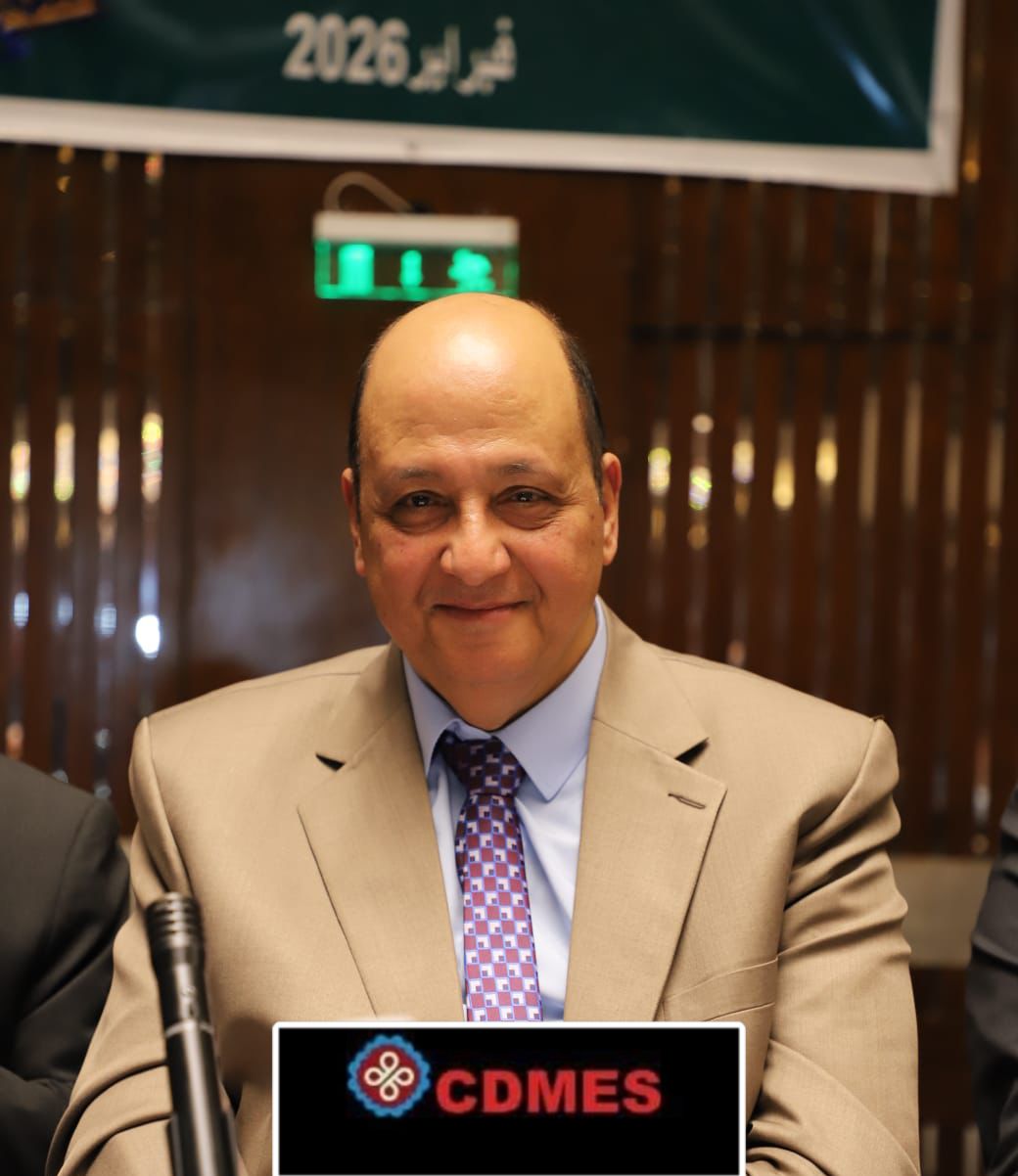
دراسة تحليلية باللغتين العربية والإنجليزية لكلمة المفكر علي محمد الشرفاء الحمادي في ندوة “شهر رمضان الذي أُنزل فيه القرآن”
إعداد:
د. معتز صلاح الدين
مستشار المركز الديمقراطي لدراسات الشرق الأوسط – نورث كارولينا
1. المقدمة والسياق العام:
في إطار الندوة الفكرية التي نظمتها مؤسسة رسالة السلام يوم 27 فبراير 2026 تحت عنوان “شهر رمضان الذي أُنزل فيه القرآن”، القى الاعلامى مجدى طنطاوى المدير العام لمؤسسة رسالة السلام كلمة المفكر علي محمد الشرفاء الحمادي بعنوان: “ليلة القدر بين العمل بالقرآن والهجران”، وقد حظيت الكلمة وفقا لتقارير إعلامية بتفاعل واسع من النخب الفكرية والحضور العام.
تكتسب هذه الكلمة أهميتها من كونها لا تنتمي إلى الخطاب الرمضاني التقليدي ذي الطابع الوعظي، بل تؤسس لقراءة نقدية لعلاقة المسلمين بالقرآن الكريم، متجاوزة البعد التعبدي إلى مساءلة البنية المرجعية التي تحكم الفقه السياسي والاجتماعي في الواقع الإسلامي المعاصر.
2. الإشكالية المركزية وبنية الأطروحة:
تتمحور الإشكالية التي يطرحها الخطاب حول سؤال جوهري:
هل تحوّلت ليلة القدر من لحظة تأسيس منهجي إلى مناسبة احتفالية معزولة عن مضمونها التشريعي؟
تنطلق الأطروحة من فرضية مفادها أن الأزمة الحضارية التي تعيشها الأمة لا تعود إلى ضعف التدين الشكلي، بل إلى تعطيل المنهج القرآني كمصدر مرجعي حاكم في التشريع والحكم والسلوك العام. ومن هنا يميز الخطاب بين:
التقديس الشعائري للنص
والتفعيل المؤسسي للمنهج
وهو تمييز ذو أبعاد معرفية وسياسية عميقة.
3. التحليل المفاهيمي
(أ) إعادة تعريف ليلة القدر:
يعيد الخطاب صياغة مفهوم ليلة القدر بوصفها “لحظة تنزيل المنهج”، لا مجرد ليلة ذات فضل تعبدي مضاعف. فالحدث – وفق الرؤية المطروحة – هو حدث تأسيسي، ارتبط بإنزال “الشرعة والمنهاج”، ومن ثم فإن اختزاله في إطار الطقوس يمثل ابتعادا عن جوهره.
هذه المقاربة تنقل النقاش من دائرة الثواب الفردي إلى دائرة المسؤولية الحضارية الجماعية.
(ب) مفهوم “هجر القرآن”
يؤسس الخطاب جزءا من أطروحته على دلالة قوله تعالى:
﴿وَقَالَ الرَّسُولُ يَا رَبِّ إِنَّ قَوْمِي اتَّخَذُوا هَذَا الْقُرْآنَ مَهْجُورًا﴾
ويعيد تعريف “الهجر” باعتباره:
تعطيلًا للتشريع
إقصاءً للمرجعية القرآنية
استبدالًا لمنظومة القيم الإلهية بمنظومات بشرية متعارضة
وهنا يتجاوز المفهوم البعد السلوكي (عدم القراءة أو التدبر) إلى بعد بنيوي مؤسسي .
(ج) مركزية القرآن في المنظومة المرجعية
يستند الخطاب إلى قوله تعالى:
﴿فَبِأَيِّ حَدِيثٍ بَعْدَ اللَّهِ وَآيَاتِهِ يُؤْمِنُونَ﴾
ليطرح مراجعة جذرية لمصادر الاستدلال الديني. وهذه النقطة تمثل أكثر أبعاد الخطاب حساسية من الناحية العلمية، لأنها تمس:
ترتيب الأدلة الشرعية
العلاقة بين النص القرآني والسنة النبوية
حدود الاجتهاد البشري
وهو ما يفتح الباب أمام نقاش عميق يتطلب معالجة منهجية دقيقة.
4. البعد الحضاري والسياسي
لا يكتفي الخطاب بالنقد، بل يطرح بديلًا حضاريًا يقوم على:
إعادة تأسيس العدالة بوصفها قيمة مركزية
..ترسيخ الرحمة كقاعدة حكم
ضمان حقوق الإنسان في إطار مرجعية أخلاقية عليا
إنهاء الانقسام المذهبي عبر مرجعية موحدة
وتتقاطع هذه الرؤية مع مفهوم الدولة المدنية ذات الأساس القيمي، حيث يُفهم القرآن باعتباره إطارًا مرجعيًا أخلاقيًا جامعًا، لا أداة توظيف مذهبي.
5. القراءة التاريخية النقدية
يتضمن الخطاب قراءة سياسية للتاريخ الإسلامي مفادها أن الانحراف عن المنهج القرآني بدأ مبكرًا بعد وفاة النبي ﷺ، وأن الصراعات السياسية والمذهبية ارتبطت بتقديم اجتهادات بشرية متعارضة على حساب المرجعية النصية المباشرة.
هذه القراءة تثير عدة أسئلة بحثية كبرى:
كيف تبلور مفهوم السلطة في مرحلة ما بعد النبوة؟
ما حدود التفاعل بين النص والتاريخ؟
هل يمكن الفصل بين التجربة السياسية الإسلامية والمرجعية النصية؟
وهي أسئلة تتطلب معالجة أكاديمية بعيدًا عن الاستقطاب العقدي.
6. نقاط القوة العلمية في الخطاب
وضوح الفرضية المركزية وانضباطها المنهجي.
الارتكاز الكثيف على النص القرآني كمصدر استدلال مباشر.
الربط المنطقي بين الهجر المرجعي والانقسام الواقعي.
تحويل مناسبة دينية إلى محطة مراجعة حضارية سنوية.
7. مساحات الحوار الأكاديمي
رغم تماسك الخطاب، فإن المنهج العلمي يقتضي فتح نقاش موسع حول:
التحديد الدقيق لمفهوم الهجر ودلالاته.
العلاقة بين القرآن والسنة في بناء التشريع.
إمكانية تطبيق المرجعية القرآنية في الدولة الوطنية الحديثة.
آليات الانتقال من الطرح النظري إلى البناء المؤسسي.
هذه المساحات لا تنتقص من الخطاب، بل تمنحه عمقًا علميًا أكبر.
8. البعد الاستراتيجي والإصلاحي
يمكن قراءة الكلمة باعتبارها دعوة إلى مشروع إصلاحي قرآني شامل يقوم على:
إصلاح الخطاب الديني
.بناء مرجعية موحدة
إطلاق حوار مؤسسي بين العلماء والمفكرين
وهو مشروع يحتاج إلى:
منصات حوار علمي عابر للحدود
9. الخاتمة
تمثل الكلمة محل الدراسة خطابًا إصلاحيًا ذا طابع مرجعي، يسعى إلى إعادة مركزية القرآن في البناء التشريعي والحضاري للأمة. وهي دعوة تتجاوز الوعظ إلى التأسيس النظري، وتُلقي على عاتق النخب الفكرية مسؤولية إدارة حوار معرفي رصين حول مستقبل المرجعية الدينية في العالم الإسلامي، بما يحقق التوازن بين النص، والاجتهاد، ومتطلبات الدولة المعاصرة.
Analytical Study in Arabic and English of the Address of Thinker Ali Mohammed Al-Sharafa Al-Hammadi at the Seminar “The Month of Ramadan in Which the Qur’an Was Revealed”
Prepared by:
Dr. Moataz Salah El-Din
Advisor to the Democratic Center for Middle East Studies – North Carolina
1. Introduction and General Context:
Within the framework of the intellectual seminar organized by the Message of Peace Foundation on February 27, 2026, under the title “The Month of Ramadan in Which the Qur’an Was Revealed,” media professional Magdy Tantawy, Director General of the Message of Peace Foundation, delivered the address of thinker Ali Mohammed Al-Sharafa Al-Hammadi entitled: “Laylat al-Qadr Between Adherence to the Qur’an and Its Abandonment.” According to media reports, the address received broad engagement from intellectual elites and the general audience.
The significance of this address lies in the fact that it does not fall within the conventional Ramadan discourse of a predominantly exhortatory nature; rather, it establishes a critical reading of Muslims’ relationship with the Holy Qur’an, moving beyond the devotional dimension to interrogate the reference framework governing political and social jurisprudence in contemporary Islamic reality.
2. The Central Problematic and the Structure of the Thesis:
The core issue raised by the discourse revolves around a fundamental question:
Has Laylat al-Qadr transformed from a foundational methodological moment into a celebratory occasion detached from its legislative substance?
The thesis proceeds from the hypothesis that the civilizational crisis experienced by the Ummah does not stem from weakness in formal religiosity, but rather from the suspension of the Qur’anic methodology as a governing reference source in legislation, governance, and public conduct. Accordingly, the discourse distinguishes between:
Ritual veneration of the text
Institutional activation of the methodology
This distinction carries profound epistemological and political dimensions.
3. Conceptual Analysis
(A) Re-defining Laylat al-Qadr:
The discourse reformulates the concept of Laylat al-Qadr as the “moment of the revelation of the methodology,” rather than merely a night of multiplied devotional merit. The event—according to the presented vision—is a foundational event associated with the revelation of the “law and methodology.” Consequently, reducing it to the framework of rituals constitutes a departure from its essence.
This approach shifts the discussion from the sphere of individual reward to that of collective civilizational responsibility.
(B) The Concept of “Abandonment of the Qur’an”
The discourse grounds part of its thesis in the meaning of the Almighty’s statement:
“And the Messenger will say: O my Lord, indeed my people have taken this Qur’an as abandoned.” (Qur’an 25:30)
It redefines “abandonment” as:
Suspension of its legislative authority
Exclusion of the Qur’anic reference framework
Substitution of the Divine system of values with conflicting human systems
Here, the concept transcends the behavioral dimension (failure to read or reflect) to assume a structural and institutional dimension.
(C) The Centrality of the Qur’an in the Reference Framework
The discourse relies upon the Almighty’s statement:
“Then in what statement after Allah and His verses will they believe?” (Qur’an 45:6)
to propose a radical review of the sources of religious deduction. This point represents the most sensitive dimension of the discourse from a scholarly perspective, as it touches upon:
The hierarchy of legal evidences
The relationship between the Qur’anic text and the Prophetic Sunnah
The limits of human ijtihad
This opens the door to an in-depth discussion requiring precise methodological treatment.
4. The Civilizational and Political Dimension
The discourse does not confine itself to critique; rather, it proposes a civilizational alternative based upon:
Re-establishing justice as a central value
Consolidating mercy as a principle of governance
Guaranteeing human rights within a supreme ethical reference framework
Ending sectarian division through a unified reference
This vision intersects with the concept of a civil state grounded in values, where the Qur’an is understood as a comprehensive ethical reference framework, not an instrument of sectarian instrumentalization.
5. Critical Historical Reading
The discourse includes a political reading of Islamic history, positing that deviation from the Qur’anic methodology began early after the death of the Prophet (peace and blessings be upon him), and that political and sectarian conflicts were linked to the precedence given to conflicting human interpretations at the expense of the direct textual reference.
This reading raises several major research questions:
How was the concept of authority formed in the post-Prophetic period?
What are the limits of interaction between text and history?
Is it possible to separate Islamic political experience from textual reference?
These are questions that require academic treatment removed from doctrinal polarization.
6. Scholarly Strengths of the Discourse
Clarity of the central hypothesis and methodological discipline.
Extensive reliance on the Qur’anic text as a direct source of deduction.
Logical linkage between referential abandonment and lived division.
Transforming a religious occasion into an annual civilizational review point.
7. Areas for Academic Dialogue
Despite the coherence of the discourse, the scientific method necessitates opening an expanded discussion regarding:
The precise determination of the concept of abandonment and its implications.
The relationship between the Qur’an and the Sunnah in legislative construction.
The feasibility of applying Qur’anic reference within the modern nation-state.
Mechanisms for transitioning from theoretical proposition to institutional construction.
These areas do not detract from the discourse; rather, they grant it greater scholarly depth.
8. The Strategic and Reform Dimension
The address may be read as a call for a comprehensive Qur’anic reform project based upon:
Reforming religious discourse
Building a unified reference framework
Launching an institutional dialogue between scholars and intellectuals
Such a project requires:
Cross-border platforms for scholarly dialogue