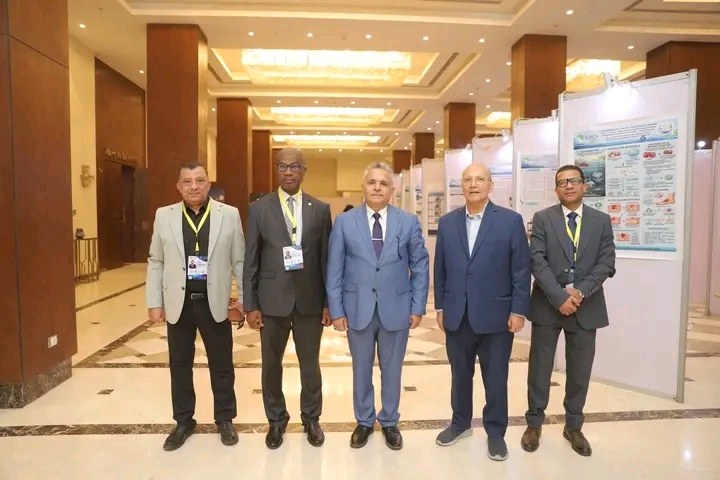
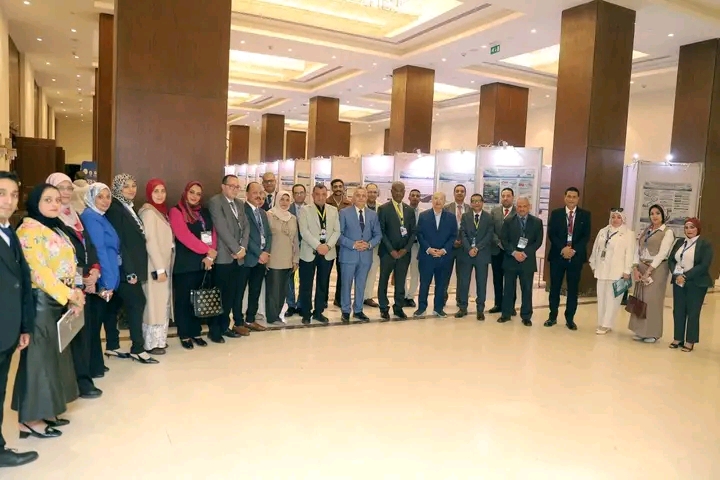
في إطار فعاليات المؤتمر الدولي للاقتصاد الأزرق والاستدامة، الذي تنظمه جامعة السويس برعاية معالي أ.د. عبدالعزيز قنصوة وزير التعليم العالي والبحث العلمي، تابع أ.د. أشــــــــــرف حنيجــــــــــل رئيـــــس جامعـــــة السويـــــس أعمال اليوم الثاني للمؤتمر، والتي شهدت زخماً علمياً وبحثياً كبيراً من خلال الجلسات العلمية المتخصصة وعروض الملصقات البحثية (Poster Sessions)، بمشاركة نخبة من الباحثين والخبراء من مصر ومختلف دول العالم.
المؤتمر الدولي للاقتصاد الأزرق والاستدامة
أكد أ.د. أشــــــــــرف حنيجــــــــــل أن توجه وزارة التعليم العالي والبحث العلمي نحو بناء “دولة الابتكار” يأتي ترجمةً لرؤية فخامة السيد الرئيس عبدالفتاح السيسي رئيس الجمهورية، التي تضع المعرفة والابتكار والبحث العلمي في قلب عملية التنمية الشاملة، من خلال الاستثمار في العقول المصرية وتحويل الأفكار الإبداعية إلى مشروعات ومنتجات ذات قيمة مضافة تدعم الاقتصاد الوطني. وأضاف أن الجامعات أصبحت مطالبة بدور يتجاوز التعليم والبحث العلمي التقليدي إلى اكتشاف المبتكرين ورعاية أصحاب الأفكار الواعدة وربطهم بالصناعة والاستثمار، بما يسهم في بناء اقتصاد تنافسي قائم على المعرفة ويعزز مكانة مصر إقليميًا ودوليًا في مجالات العلوم والتكنولوجيا والابتكار.
كما أشار رئيس الجامعة خلال متابعته لجلسات المؤتمر أن جامعة السويس تضع في صدارة أولوياتها دعم البحوث التطبيقية التي تسهم بصورة مباشرة في مواجهة التحديات التنموية وتقديم حلول واقعية قابلة للتنفيذ، مشيراً إلى أن القيمة الحقيقية للبحث العلمي لا تقتصر على النشر الأكاديمي فحسب، بل تمتد إلى تحقيق عائد اقتصادي ومجتمعي ملموس قائم على اقتصاد المعرفة وتعظيم الاستفادة من مخرجات البحث العلمي في خدمة خطط التنمية المستدامة.
المؤتمر الدولي للاقتصاد الأزرق والاستدامة
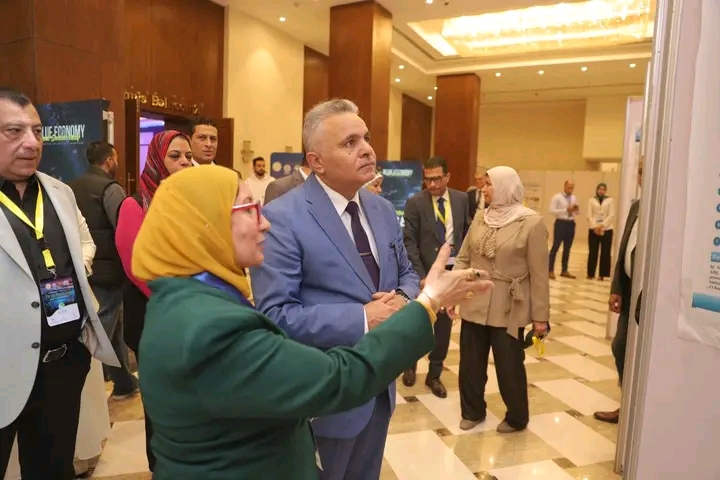
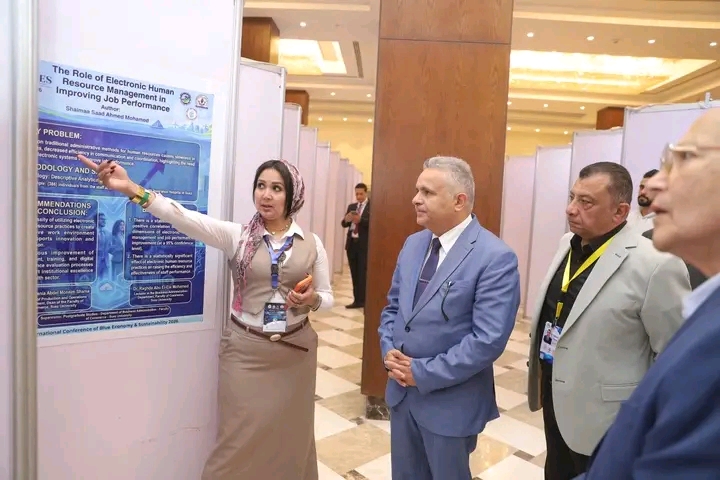
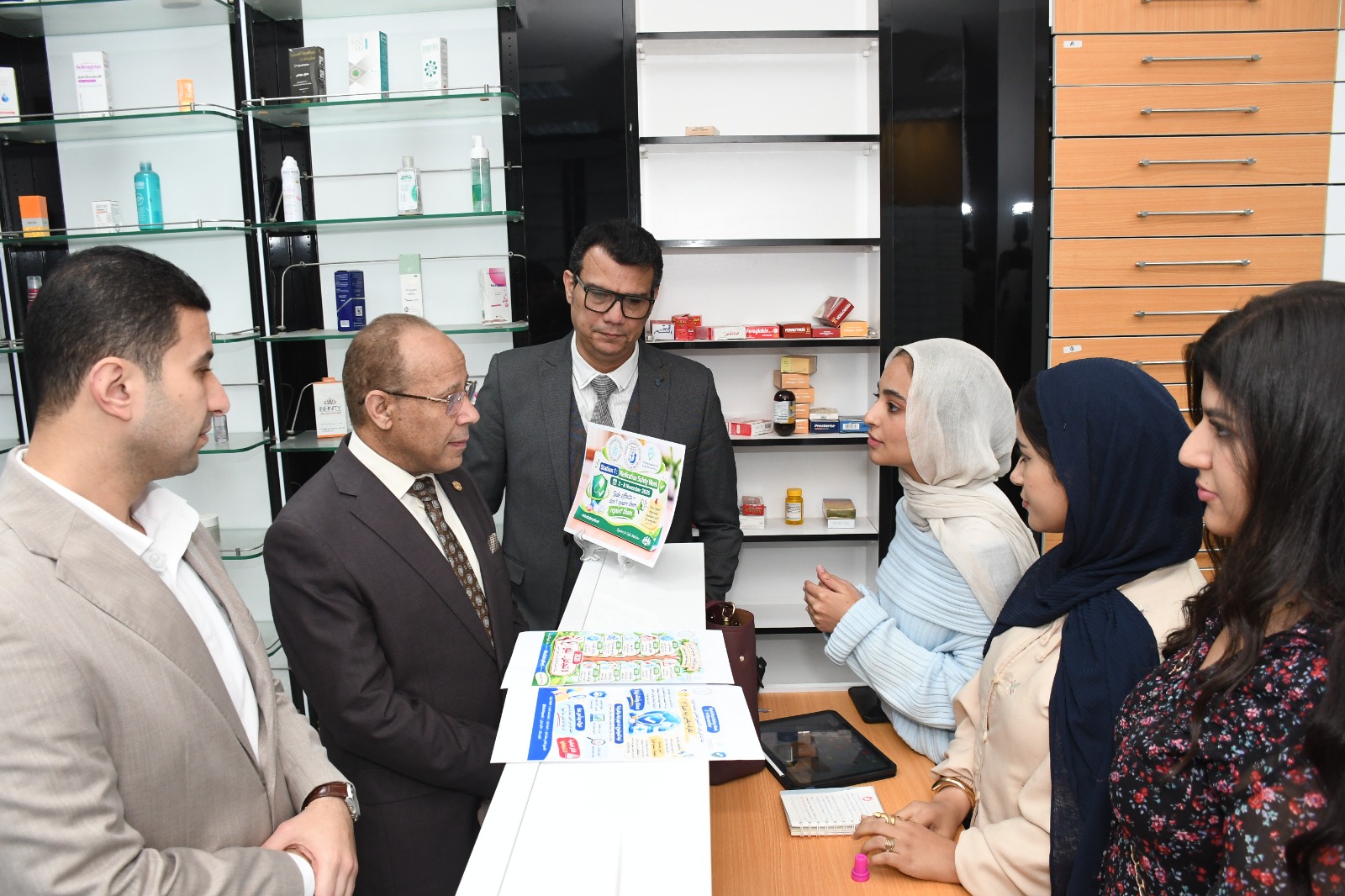
وخلال تفقده لجلسة عروض البوستر العلمي، شدد أ.د. أشــــــــــرف حنيجــــــــــل رئيـــــس الجامعـــــة على أهمية التركيز على الجدوى الاستثمارية للأفكار والمشروعات البحثية المعروضة، مؤكداً أن الأفكار العلمية المتميزة يجب أن تتحول إلى مشروعات قابلة للتطبيق والاستثمار، بما يسهم في خلق فرص اقتصادية جديدة ودعم تنافسية الدولة المصرية في مجالات الاقتصاد الأزرق والاستدامة.
وأشار “حنيجــــــــــل” إلى أن المؤتمر لا يقتصر دوره على تبادل الخبرات والمعارف العلمية، بل يمثل منصة حقيقية لاكتشاف الأفكار الابتكارية القابلة للتحول إلى منتجات وخدمات ذات قيمة مضافة، لافتاً إلى أن الجامعة ستعمل على حصر الأفكار البحثية المبتكرة التي حصلت أو تستحق الحصول على براءات اختراع، باعتبارها أحد أهم المخرجات العلمية للمؤتمر.
وأوضح أن هذه المشروعات والابتكارات سيتم تجميعها وتوثيقها ورفعها إلى معالي وزير التعليم العالي والبحث العلمي ضمن توجهات الوزارة الداعمة للابتكار وريادة الأعمال، وبما يتسق مع مبادرة “دولة الابتكار” الهادفة إلى تعظيم الاستفادة من العقول المصرية وتحويل المعرفة إلى قوة إنتاجية واقتصادية مؤثرة.
وأضاف رئيس الجامعة أن الاقتصاد الأزرق يمثل أحد المحاور الاستراتيجية الواعدة لتحقيق التنمية المستدامة، وأن الجامعات مطالبة اليوم بدور أكبر في بناء جسور التواصل بين الباحثين والصناعة والمستثمرين وصناع القرار، بما يضمن انتقال الأفكار من قاعات البحث إلى ساحات التطبيق الفعلي.
المؤتمر الدولي للاقتصاد الأزرق والاستدامة
وشهدت جلسات اليوم الثاني مناقشات علمية موسعة حول آليات استدامة الموارد البحرية، وتعزيز دور الابتكار في دعم الاقتصاد الأزرق، والاستفادة من التكنولوجيا الحديثة في تعظيم العوائد الاقتصادية للموارد الطبيعية، فضلاً عن استعراض عدد من النماذج البحثية والتطبيقات المبتكرة التي عكست المستوى العلمي المتميز للمشاركين.
ويواصل المؤتمر فعالياته من خلال عدد من الجلسات العلمية وورش العمل المتخصصة التي تهدف إلى تعزيز التعاون بين المؤسسات الأكاديمية والبحثية والقطاعات الإنتاجية، بما يدعم تحقيق أهداف التنمية المستدامة ويعزز من دور البحث العلمي كقاطرة للتنمية والابتكار.
_________________________
Suez University President Follows Up on the Second Emphasizing: “Transforming Research Outputs into Investments Supports the State’s Vision of Becoming an Innovation-Driven Nation”
☆ Suez | 10 November 2026
As part of the activities of the International Conference on Blue Economy and Sustainability, organized by Suez University under the patronage of H.E. Prof. Dr. Abdelaziz Konsowa, Minister of Higher Education and Scientific Research, Prof. Dr. Ashraf Heneigal, President of Suez University, followed up on the proceedings of the conference’s second day. The day witnessed considerable scientific and research activity through specialized scientific sessions and research poster presentations, with the participation of distinguished researchers and experts from Egypt and various countries around the world.
Prof. Dr. Ashraf Heneigal emphasized that the Ministry of Higher Education and Scientific Research’s vision of building an “Innovation-Driven Nation” translates the vision of H.E. President Abdel Fattah El-Sisi, President of the Republic, which places knowledge, innovation, and scientific research at the heart of comprehensive development. This vision is pursued through investment in Egyptian talent and the transformation of creative ideas into projects and products with added value that support the national economy.
He added that universities are now expected to assume a role that extends beyond traditional education and scientific research to identifying innovators, nurturing promising ideas, and connecting their creators with industry and investment. Such efforts contribute to building a competitive, knowledge-based economy and strengthening Egypt’s regional and international standing in science, technology, and innovation.
During his follow-up on the conference sessions, the University President also pointed out that Suez University places support for applied research at the top of its priorities, particularly research that directly addresses development challenges and offers practical, implementable solutions. He stressed that the true value of scientific research is not limited to academic publication; rather, it also lies in generating tangible economic and societal returns through the knowledge economy and maximizing the benefits of research outputs in support of sustainable development plans.
While attending the scientific poster presentation session, Prof. Dr. Ashraf Heneigal, President of Suez University, stressed the importance of focusing on the investment potential of the research ideas and projects presented. He affirmed that outstanding scientific ideas should be transformed into viable projects capable of practical implementation and investment, thereby creating new economic opportunities and enhancing Egypt’s competitiveness in the fields of the blue economy and sustainability.
Heneigal further noted that the conference is not merely a platform for exchanging scientific knowledge and expertise; it also serves as a genuine platform for identifying innovative ideas that can be transformed into products and services with added value. He pointed out that the University would work to identify and compile innovative research ideas that have been granted, or merit obtaining, patents, considering them among the conference’s most significant scientific outcomes.
He explained that these projects and innovations would be collected, documented, and submitted to H.E. the Minister of Higher Education and Scientific Research, in line with the Ministry’s vision of supporting innovation and entrepreneurship and its “Innovation-Driven Nation” initiative, which aims to maximize the potential of Egyptian talent and transform knowledge into an influential productive and economic force.
The University President added that the blue economy represents one of the promising strategic pillars for achieving sustainable development. He emphasized that universities are now called upon to play a greater role in building bridges of communication among researchers, industry, investors, and policymakers, ensuring that ideas move beyond research halls into practical application.
The second day’s sessions featured extensive scientific discussions on mechanisms for ensuring the sustainability of marine resources, strengthening the role of innovation in supporting the blue economy, and harnessing modern technologies to maximize the economic returns of natural resources. Participants also presented a number of research models and innovative applications that reflected their outstanding scientific standards.
The conference will continue with a series of scientific sessions and specialized workshops aimed at strengthening cooperation among academic and research institutions and productive sectors. These activities seek to support the achievement of sustainable development goals and reinforce the role of scientific research as a driving force for development and innovation.