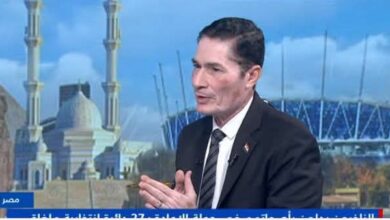
Media Figure Dr. Magdy Kamel ElHawary Writes : Trump… Why Is He Extending the Timeframe for Negotiations? Is There a Looming Catastrophe in Preparation ? ,

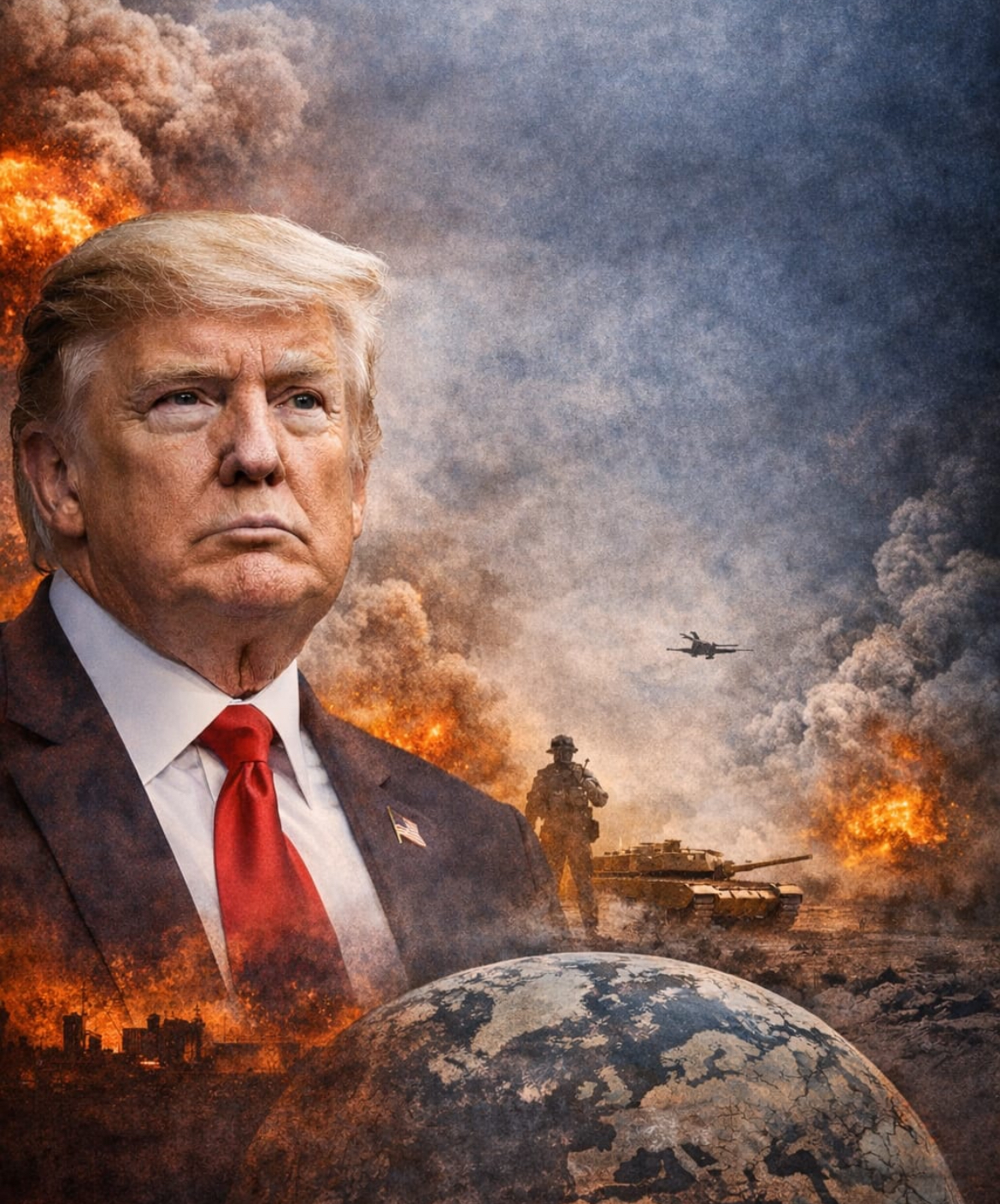
In politics, “opportunities” are never granted randomly, nor are deadlines extended without careful calculation. When it comes to a figure with the weight and influence of Donald Trump, every decision—even those that appear to signal de-escalation—may carry implications far beyond a simple willingness to negotiate.
The key question today is: Why does Trump insist on extending negotiation timelines in highly complex issues, whether with Iran or across regional flashpoints? Are we witnessing a calculated strategy to buy time, or is a larger scenario being prepared behind the scenes?
First: Buying Time or Strategic Repositioning?
Historically, U.S. policy has relied on “time management” as a tool of pressure. Extending negotiations does not necessarily reflect a genuine desire for resolution; it may instead serve as a method of repositioning, whether militarily or economically.
Trump, known for his deal-making mindset, understands that the best agreements are often reached by prolonging negotiations until the opposing side becomes fatigued or willing to concede.
Second: Reading the Language of Power
The United States does not act through statements alone, but through signals on the ground: military movements, economic sanctions, and shifting alliances.
Granting “additional time” may therefore function as diplomatic cover for more assertive actions taking place behind the scenes.
Third: Is Escalation Coming?
Modern political history shows that extended periods of calm often precede major upheavals. What is happening now may represent a “pre-decision phase.”
Ongoing extensions could conceal preparations for an escalation scenario, whether through limited military action or unprecedented economic pressure.
Fourth: The Domestic Factor as a Decisive Driver
Trump’s decisions cannot be separated from the domestic American landscape. Elections, economic conditions, and public opinion all play a central role.
Extending negotiations may give him greater room to maneuver internally while enhancing his image as a “peacemaker,” even if the ultimate objective is entirely different.
Fifth: Between Negotiation and Confrontation
The current situation stands on a thin line between diplomacy and escalation. Each additional day in negotiations may represent:
A genuine opportunity for resolution
Or a step closer to a broader confrontation
Conclusion:
What Donald Trump is doing is not merely extending time, but engaging in a complex political strategy driven by the mindset of a dealmaker who knows exactly when to apply pressure—and when to wait.
The real danger lies in the possibility that this “waiting” is not intended for peace, but for a decisive moment—one that could reshape the balance of power in the region and perhaps the world.
Are we witnessing strategic diplomacy, or the calm before the storm?